Difference Between Motorola Moto G Play 2026 and Travlfi Journeygo 4G Hotspot Explained
In the Mobile Phones category, buyers often weigh the trade-offs between a multifunction smartphone and a dedicated mobile hotspot. The Motorola Moto G Play 2026 and the Travlfi Journeygo 4G Hotspot serve overlapping but distinct needs: one is primarily a phone with broad everyday capabilities, the other is a portable connectivity appliance designed to share cellular data with many devices. This article explains their differences in clear, practical terms, examines how each performs in real-world scenarios, and helps readers choose the right device for their use case.
Introduction: Why compare a smartphone and a hotspot?
At first glance, comparing a smartphone and a standalone hotspot may feel like comparing apples and oranges. Yet many buyers consider them as alternatives for on-the-go internet access: a smartphone can share its data via tethering, while a dedicated hotspot can offer better battery life, more simultaneous connections, and often more stable throughput for multiple users. For commuters, small teams working remotely, families traveling together, or anyone needing a reliable backup for home internet, understanding these differences matters.
Product overview
Motorola Moto G Play 2026
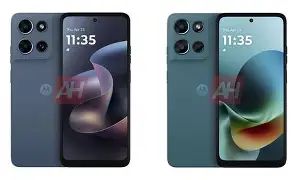
The Motorola Moto G Play 2026 continues the G Play tradition: a budget-conscious smartphone that prioritizes battery life, straightforward software, and value. As a smartphone, it combines cellular voice and data, a touchscreen display, cameras, app support through the Android ecosystem, and all the conveniences of a handheld computer.
In practical terms, the Moto G Play is for people who need a daily driver phone that also handles light to moderate data sharing (tethering), media consumption, navigation, messaging, and occasional photography. It is a single-device solution for communication and basic productivity.
Travlfi Journeygo 4G Hotspot
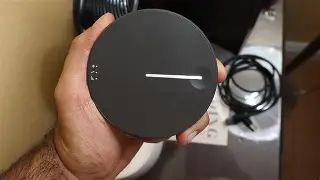
The Travlfi Journeygo 4G Hotspot is a purpose-built mobile router. Its primary function is to convert a cellular 4G/LTE data connection into a private Wi‑Fi network that multiple devices can join. It typically lacks phone features (no voice calls or app store), and focuses on stable connectivity, battery longevity while serving many clients, and simple management of network settings.
This device is designed for scenarios where several laptops, tablets, smart TVs, or IoT devices need continuous internet access—think small workgroups, family vacations, or as a fallback internet connection at home or at a temporary event.
Detailed analysis: strengths, trade-offs, and real-world use cases
Connectivity and performance
Both devices rely on cellular networks for internet access, but they take different approaches to delivering that connection to end devices.
- Motorola Moto G Play 2026: Provides native voice and data services to the handset and can share its mobile data through tethering (Wi‑Fi hotspot, Bluetooth, or USB). Tethering is convenient for occasional sharing—checking email on a tablet, or getting a laptop online for a quick meeting. However, the phone's radio and CPU are optimized for typical smartphone loads, not sustained multi-user hotspot use. With several devices connected, the phone may heat, throttle speeds, and drain the battery faster.
- Travlfi Journeygo 4G Hotspot: Built specifically for data sharing. These devices usually include radios and antennas optimized for stable, continuous LTE throughput and can handle a larger number of simultaneous client connections gracefully. They often support advanced features such as guest networks, device prioritization (QoS), and external antenna ports for challenging signal environments.
Battery life and continuous operation
Battery life is a decisive factor when multiple devices depend on a single data source. Real-world use cases—video conferencing for two hours, streaming on several tablets during a car trip, or hosting a pop-up event—demand sustained power.
Find top-rated Mobile Phones products at great prices.
See Deals →- The Moto G Play is designed to last a full day for typical smartphone tasks, but heavy tethering will noticeably reduce uptime. Users who rely on the phone as a hotspot often carry a power bank or a car charger.
- The Travlfi Journeygo is engineered for prolonged hotspot operation. Its battery and thermal design prioritize continuous data service, often giving several hours of multi-device use on a single charge and sometimes supporting replaceable batteries or pass-through charging for uninterrupted operation.
Ease of use and management
Smartphone tethering is integrated into the phone's settings and familiar to most users, but it offers fewer administrative controls. Dedicated hotspots include management pages or apps focused on networking controls—password management, connected client lists, data counters, and firmware updates—making them friendlier for network administrators or technically minded users.
Mobility, form factor, and convenience
The Moto G Play is a pocket-sized all-in-one device—phone, camera, and internet. For individuals prioritizing minimal gear, the phone is hard to beat. The Travlfi Journeygo is compact but an additional device to carry; however, its lightweight design makes it easy to tuck into a bag, and the lack of phone distractions can be a plus during focused remote work sessions.
Cost and data plan considerations
Cost considerations include the device price and the type of cellular plan. A smartphone combines device and service, potentially increasing monthly costs if switching carriers or plans. A standalone hotspot can be purchased once and paired with flexible prepaid or shared data plans, which can be economical when many devices need occasional internet access without adding multiple cellular lines.
Security and privacy
Both device classes support encrypted Wi‑Fi. A hotspot can provide a segregated network for guests and better control over client …Pros & Cons
Motorola Moto G Play 2026
- Pros
- All-in-one device: phone, apps, camera, and internet access in one package
- Familiar user interface and app ecosystem through Android
- Lightweight and pocketable—no extra gear required
- Suitable for casual tethering and everyday smartphone tasks
- Cons
- Tethering multiple devices can drain the battery and cause thermal throttling
- Limited network management features compared with dedicated hotspots
- Performance under sustained multi-user loads may be inconsistent
Travlfi Journeygo 4G Hotspot
- Pros
- Designed for sustained multi-device connectivity with stable throughput
- Longer hotspot battery life and features like pass-through charging or replaceable batteries
- Advanced network controls: guest networks, device lists, priority settings
- Often supports more simultaneous connections than a smartphone
- Cons
- Additional device to carry and charge; no voice or phone functions
- Management interface may be more technical for casual users
- Requires a separate data plan or SIM, which could increase monthly costs depending on use
Comparison Table
| Feature | Motorola Moto G Play 2026 | Travlfi Journeygo 4G Hotspot |
|---|---|---|
| Primary purpose | Smartphone for calls, apps, multimedia, and occasional tethering | Dedicated device for sharing cellular data with multiple clients |
| Voice calls & messaging | Yes — full phone functionality | No — data-only device (typically) |
| Display & OS | Touchscreen with Android and app ecosystem | Small status screen or web/app management; no app ecosystem |
| Simultaneous connections | Best for 1–3 devices; more can cause strain | Optimized for many devices—often 10+ concurrent clients |
| Battery for hotspot use | Good for occasional tethering but drains quickly under load | Designed for extended hotspot operation with larger or replaceable battery |
| Network controls | Basic tethering settings | Advanced: guest networks, device management, QoS |
| Portability | Highly portable as daily carry | Portable but an extra item to carry |
| Ideal buyer | Individual users wanting a single device for communication and occasional tethering | Families, small teams, travelers, and anyone needing reliable multi-device internet |
Buying guide: How to choose between the two
Choosing between the Motorola Moto G Play 2026 and the Travlfi Journeygo 4G Hotspot comes down to priorities. Below are practical criteria and questions buyers typically care about, followed by guidance on how to apply them.
1. What is the primary need?
- If the primary need is voice calls, messaging, photography, and running apps, the smartphone is the right choice.
- If the primary need is to provide internet to multiple devices reliably—for remote meetings, shared streaming, or as an internet backup—a dedicated hotspot is better.
2. How many devices will connect regularly?
- One to three devices occasionally: tethering from a smartphone is convenient.
- More than three devices, sustained sessions (video calls, HD streaming): a hotspot is more reliable and efficient.
3. How important is battery life?
- For all-day personal use with occasional tethering, the Moto G Play should suffice.
- For hours of multi-device sharing, opt for the Travlfi Journeygo or carry high-capacity power banks and consider hotspot pass-through charging.
4. Does the user need advanced network controls?
- Casual users: smartphone hotspot settings are usually adequate.
- Administrators, event hosts, and families: a hotspot offers better security, client monitoring, and traffic management.
5. Carrier compatibility and data plans
Confirm compatibility with carriers and frequency bands before buying either device. Buyers should also consider whether they prefer a dedicated data SIM or using an existing phone plan. For travelers, unlocked hotspots and prepaid data plans can provide flexibility without committing to long-term contracts.
6. Ease of setup and user experience
If simplicity is paramount, a smartphone’s integrated tethering is immediate and familiar. For those comfortable with network settings, hotspots typically provide a straightforward web or app interface and may include features such as automatic firmware updates and convenient client management.
7. Budget and value
Compare total cost of ownership: device price plus expected data plan cost. Sometimes, buying a low-cost hotspot and using flexible prepaid data is more economical than increasing a phone plan to accommodate multiple devices.
Find top-rated Mobile Phones products at great prices.
See Deals →8. Practical accessories and extras to consider
- Power bank or car charger for extended on-the-road use
- Protective case for the hotspot or phone to prevent drops and wear
- External antenna (if the hotspot supports it) for weak-signal environments
- SIM ejector/adapter and spare SIMs for travel
Real-world scenarios—recommendations
Scenario: Solo traveler who needs occasional laptop access
Recommendation: Motorola Moto G Play 2026. The phone covers calls, maps, and occasional tethering without needing extra devices.
Scenario: Family on a road trip streaming video on multiple tablets
Recommendation: Travlfi Journeygo 4G Hotspot. It will better sustain multiple simultaneous streams and preserve phone battery for personal use.
Scenario: Small remote team running day-long video meetings from a temporary office
Recommendation: Travlfi Journeygo 4G Hotspot combined with a power source. Prioritize hotspots with QoS or device prioritization features.
Scenario: Buyer wanting to minimize gear and monthly cost
Recommendation: Motorola Moto G Play 2026 if only a few devices need occasional connectivity. If multiple people regularly require internet, consider hotspot + shared data plan as more cost-effective.
Conclusion
The Motorola Moto G Play 2026 and the Travlfi Journeygo 4G Hotspot serve distinct but sometimes overlapping purposes. The Moto G Play is a practical, budget-friendly smartphone that doubles as an occasional hotspot; it is ideal for individuals who want a single pocketable device to handle daily communication and light data sharing. The Travlfi Journeygo 4G Hotspot, by contrast, is purpose-built to provide stable, sustained internet to many devices, offering better battery life for hotspot duties, richer network management controls, and often superior multi-client performance.
Buyers should decide based on how many devices need reliable internet, how long connections must be sustained, and whether voice and smartphone features are required. For most everyday users who occasionally tether, the Moto G Play is sufficient. For families, teams, travelers, or anyone needing consistent multi-device connectivity, a dedicated hotspot like the Travlfi Journeygo is the wiser choice. In some cases, keeping both—using a phone for personal tasks and a hotspot for group connectivity—provides the best of both worlds.