The Real Truth: Google Pixel 10 Pro Fold or Motorola Razr Plus 2025?
Introduction
Foldable phones have moved beyond novelty and into the realm of genuine choice for mainstream buyers. Two flagship foldables that often appear in consideration sets are the Google Pixel 10 Pro Fold and the Motorola Razr Plus 2025. Both promise unique takes on the foldable formula: one focuses on productivity and camera excellence, the other on pocketability and style. This article examines how they compare in real-world use, what typical buyers care about, and which device is the better fit depending on priorities such as photography, multitasking, durability, and daily convenience.
At a glance: what buyers typically care about
When shoppers evaluate foldables they usually ask these practical questions:
- How reliable is the hinge and long-term durability?
- Is the inner foldable display usable for long sessions (video, reading, productivity)?
- How do the cameras perform in real-world lighting?
- Does the device feel like a premium, everyday phone or a fragile gadget?
- What software features make the fold meaningful (multitasking, continuity, app optimization)?
- Is the size and weight acceptable for pocket carry?
- What is the battery life under mixed use?
The following sections analyze how the Pixel 10 Pro Fold and Razr Plus 2025 address those concerns in ordinary life.
Google Pixel 10 Pro Fold — Detailed analysis
Design and build
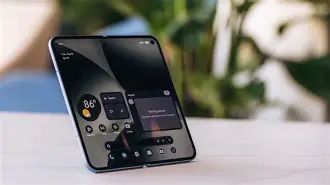
The Pixel 10 Pro Fold aims to be a premium all-day device that folds open into a tablet-sized workspace. Its hinge is engineered to sit flat when open and to provide a reassuringly smooth action when opening and closing. In hand, the Pixel Fold family emphasizes clean lines, matte finishes, and a unified camera bar that aligns with the Pixel visual language. For users who carry a single device for work and leisure, the Fold feels like a phone that becomes a tablet when needed—ideal for reading long articles, reviewing documents, or editing photos.
Display and media experience
The internal display is built for sustained use: a wide aspect ratio when unfolded, good color accuracy for media and photo review, and a high refresh rate for smooth scrolling. For media consumption, the larger canvas makes streaming and split-screen multitasking comfortable. The external cover display is designed for quick actions—messages, calls, and simple notifications—without opening the device.
Performance and software
Google's foldable emphasizes a polished Android experience with close integration between hardware and software. The device typically runs a clean, optimized skin with fold-specific multitasking features: resizable windows, task continuity between the cover and inner displays, and gestures that make switching apps intuitive. Performance is tuned for everyday productivity: switching between multiple apps, light photo editing, and web browsing are fluid, though intensive gaming sessions may heat the device depending on the chipset and thermal design.
Cameras and photography
Pixel devices historically prioritize photography and computational imaging. The Fold variant leverages Google’s camera algorithms to produce strong results in scenes with mixed lighting, night conditions, and portraits. The larger unfolded display also makes a handy viewfinder for composing shots, while the combination of cover display and inner display supports flexible shooting angles and self-portraits using the primary cameras.
Battery life and charging
Because foldables must power two screens and a hinge assembly, battery expectations vary. The Pixel 10 Pro Fold is designed for a full day of mixed use for many users, with power-saving software tweaks smoothing out heavier days. Fast charging support is present, and wireless charging typically makes the device convenient on the go. Real-world battery life depends heavily on screen-on time with the internal display and whether users engage in sustained camera use or multitasking sessions.
Durability and repair
Google improves hinge design and internal reinforcement with each generation. The Fold targets improved water resistance and scratch protection compared to earlier models, but like all modern foldables it benefits from a protective case and mindful handling. Repairability is often limited compared with slab phones; buyers should factor potential repair costs into the ownership decision.
Real-world use cases
The Pixel Fold is best suited for users who need a compact device that expands into a productive workspace: professionals who review documents or spreadsheets mid-day, photo enthusiasts who want high-quality mobile imaging with an improved preview surface, and anyone who prefers larger screens for reading and streaming without carrying a separate tablet.
Looking for the best Mobile Phones deals on Amazon?
View Offers →Pros & Cons
- Pros
- Exceptional computational photography and image processing
- Polished Android experience with strong multitasking features
- Large internal display that enhances productivity and media viewing
- Premium build and modern design language
- Cons
- Heavier and larger when folded compared with clamshell foldables
- Repair costs can be substantial if the foldable display or hinge is damaged
- Battery life may be variable under heavy multitasking or camera use
Motorola Razr Plus 2025 — Detailed analysis
Design and build
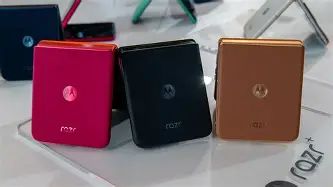
The Razr Plus 2025 continues Motorola’s focus on a vertically folding clamshell design. The device folds into a compact, pocketable form factor that appeals to buyers who prioritize small footprint and style. The hinge technology in recent Razr devices emphasizes reduced crease visibility and a smooth closing action. For users who value pocket comfort and one-handed use, the Razr remains compelling.
Display and media experience
The Razr Plus places emphasis on the outer cover display being more functional—larger notifications, mini-widgets, and quick camera previews—so many common tasks can be completed without opening the phone. The internal display, while smaller than book-style foldables, offers a satisfying immersive experience for short videos and social media scrolling. Its vertical shape excels for single-column reading and portrait-oriented apps.
Performance and software
Motorola typically packages a capable chipset and sufficient RAM for everyday tasks, and the Razr benefits from a software layer that adds Motorola’s signature enhancements—gesture shortcuts, custom displays, and tailored camera modes. The Razr’s software makes the cover screen useful and integrates fold-specific features such as split-view camera or app continuity between closed and open states. Multi-window productivity is present but less expansive than on a book-style fold.
Cameras and photography
The camera setup on the Razr is tuned to produce reliable shots across common lighting conditions. The real advantage for many …Battery life and charging
Razr devices historically balance battery capacity with a slim foldable profile. Battery life is generally sufficient for a day of average use—messages, calls, social apps, and intermittent streaming—but heavy camera use or long gaming sessions can shorten endurance. Fast charging is usually included and the device supports common battery management features.
Durability and repair
The clamshell form factor distributes mechanical stress differently than book folds. Users report that the compact design provides good protection for the internal display when closed, but the hinge and fold line remain points of concern for long-term durability. Motorola has improved materials and sealing over recent models, but buyers should still expect careful handling and consider extended coverage if concerned about repair costs.
Real-world use cases
The Razr Plus 2025 is ideal for people who want a modern smartphone that disappears in a pocket yet becomes a full phone when opened: commuters who need compactness, users who want a camera-forward device for social content, and anyone who prefers one-handed comfort over the productivity of a larger unfolded display.
Pros & Cons
- Pros
- Exceptionally pocketable and comfortable for one-handed use
- Large outer cover display reduces the need to open the phone for many tasks
- Stylish design and emphasis on quick social photography
- Typically lighter than book-style foldables
- Cons
- Smaller internal display limits productivity compared with book folds
- Not the top choice for heavy multitasking or prolonged content creation
- Hinge-related durability remains a consideration for long-term ownership
Side-by-side comparison
| Aspect | Google Pixel 10 Pro Fold | Motorola Razr Plus 2025 |
|---|---|---|
| Form factor | Book-style fold; unfolds into a tablet-like workspace | Clamshell vertical fold; highly pocketable |
| Best for | Productivity, media consumption, photography preview/editing | Pocketability, social photography, on-the-go convenience |
| Display experience | Larger internal display for multitasking and reading | Smaller internal display; powerful external cover display for quick tasks |
| Camera approach | Computational imaging focus with flexible shooting when unfolded | Primary camera usable as selfie camera via cover screen |
| Durability | Robust hinge engineering; still needs careful handling | Compact protection when closed; hinge still critical |
| Battery and charging | Designed for all-day mixed use; fast and wireless charging supported | Day-long battery for average use; fast charging supported |
| Software | Clean Android with fold-specific multitasking features and Pixel optimizations | Android with Motorola enhancements and cover-screen optimizations |
| Portability | Bulkier when folded; more like carrying a small tablet | Very pocket-friendly; designed for one-handed comfort |
Buying guide: how to choose between them
To decide which device fits a buyer's life, consider the following practical questions and scenarios.
1. Is productivity a priority?
If the buyer frequently edits documents, juggles multiple apps at once, or prefers a tablet-like canvas without owning a separate tablet, the Pixel 10 Pro Fold is the stronger candidate. Its larger internal display and software multitasking features are designed to replace a secondary device for many users.
Looking for the best Mobile Phones deals on Amazon?
See Deals →2. Is pocketability more important?
For commuters, minimalists, or anyone who dislikes carrying large devices, the Razr Plus 2025 wins. It provides a true compact experience while still offering modern smartphone capabilities. If the device must fit comfortably into a small pocket, choose the Razr.
3. Are cameras a top concern?
Both phones approach photography differently. The Pixel emphasizes computational photography and flexible composition when unfolded; the Razr emphasizes convenience by enabling the main camera to serve as a superior selfie camera via the cover display. Buyers who prioritize best-in-class image processing and post-processing features may prefer the Pixel. Those who want quick, better-selfie results without opening the phone may find the Razr more appealing.
4. How important is durability and long-term value?
Both devices represent significant investments. Buyers should consider warranty options, available protective accessories, and the manufacturer's track record for software updates and repair support. If long-term software updates and camera improvements matter, the buyer should check each brand’s promised update policy and service availability in their region.
5. What about price and resale?
Foldables generally command premium prices. Buyers who intend to trade up frequently may accept higher initial cost for the latest features; those who plan to keep a phone for years should consider durability and repairability. Resale value varies by brand and condition—keeping the device in good condition and retaining original packaging can improve future resale.
6. Try before buying
Whenever possible, handling both devices in person is invaluable. The feel of the hinge, the weight distribution, how the unfolded screen aligns, and the responsiveness of the cover display are tactile properties that matter and are hard to judge from specs alone.
Conclusion
The choice between the Google Pixel 10 Pro Fold and the Motorola Razr Plus 2025 comes down to how a buyer plans to use a foldable in daily life. The Pixel 10 Pro Fold is the clearer productivity-focused device: it expands into a capable tablet-replacement with a strong camera system and software tuned for multitasking. The Motorola Razr Plus 2025 answers a different set of needs—prioritizing pocketability, quick access via a functional cover display, and a style-first approach that keeps a full-size phone experience tucked away.
For someone who wants a single device that serves as both phone and mini-tablet, the Pixel Fold typically makes more sense. For a buyer who values a compact form factor without compromising on camera convenience and everyday comfort, the Razr Plus 2025 is the better match. Assess real-world priorities—productivity versus pocketability, photography style, and how often one will use the unfolded display—and either device can be the right choice when aligned with those needs.